The Tshwane Metro Council’s budget for the 2025/26 financial year has been inadequate from the outset, and the latest adjustment budget merely exacerbates the Metro’s financial strain.
Residents now face higher tariffs while service delivery keeps deteriorating, as the budget conceals a structural deficit and failed projects.
Although the unlawful cleansing levy has been scrapped, the Metro is attempting to fill the gap with artificial upward adjustments to fines, rentals and interest. This practice is nothing but a paper exercise hiding the actual deficit while offering no sustainable solutions.
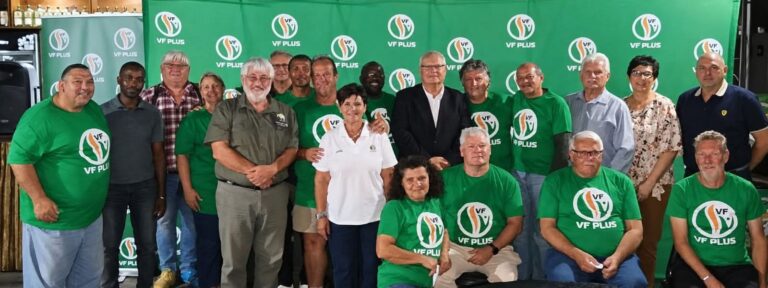
The Freedom Front Plus (VF Plus) highlighted several serious shortcomings in the adjustment budget:
• The Metro’s financial plan is based on an unrealistic projected collection rate of 92%, which simply ignores the extent of arrears as well as warnings by the Auditor-General (AG). A more realistic rate of 85%, as indicated by the AG, means expected revenue drops significantly and results in a shortfall of R2,2 billion. This deficit is aggravated by an increase of R534 million in bad debt, pushing the total shortfall to R2,7 billion.
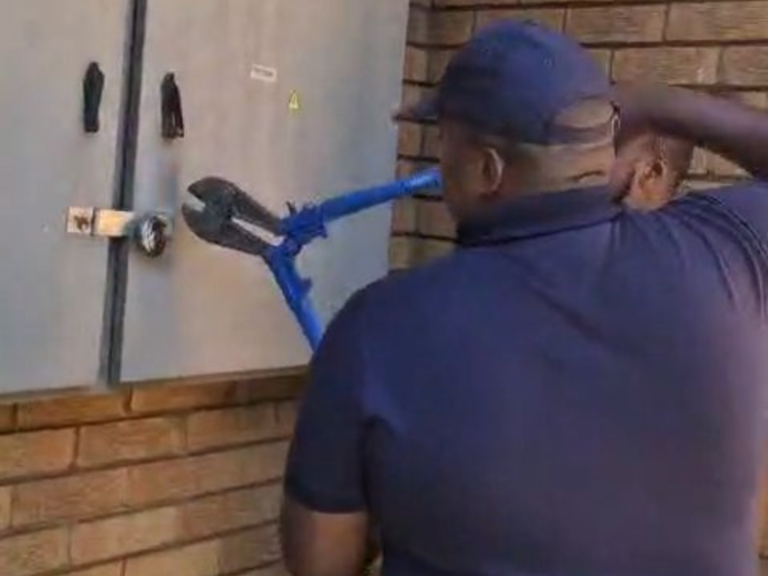
• Electricity revenue collection is calculated using only billed consumption, and excludes extensive theft and distribution losses. In reality, the collection rate is closer to 75%, which reduces the Metro’s revenue to approximately R45 billion and could increase the net deficit to R8 billion or more. Electricity theft overloads substations, causes power outages, accelerates infrastructure collapse and reduces billable consumption during load-shedding. Paying residents are consequently forced to bear the cost of theft through higher tariffs, while the quality of services continues to decline.
• Meanwhile, water losses have pushed up bulk purchases by R273 million. Allocating R15 million to hiring water tankers is an expensive emergency measure that does not solve the problem, as water supply by means of tankers remains unmetered and unbilled. This further erodes collection efficiency and benefits only those linked to the contracts, while residents bear the consequences of deteriorating services.
• Municipal entities also show clear signs of decay. The grants of the Tshwane Economic Development Agency (TEDA) have been cut back by R4,1 million, thus weakening economic development, while the cash-flow of the Housing Company Tshwane (HCT) has been reduced by R569 million, undermining housing delivery.
• The Metro’s cash hedge currently stands at just 0,1 month – approximately R443 million, equivalent to three days’ operating costs — confirming liquidity failure and exposing the inability to absorb financial shocks.
• Furthermore, salary costs have risen by R229 million due to the settlement reached with trade unions for a backdated 3,5% increase. While this may provide labour stability, it is achieved at the expense of fiscal sustainability and deepens the Metro’s financial collapse.
This budget clearly shows that the Metro’s financial management is unsustainable.
The Freedom Front Plus demands a complete review of the budget, based on realistic collection rates, strict expenditure discipline and urgent action against illegal electricity and water connections.
Investments should focus on sustainable infrastructure rather than expensive emergency measures, such as water tankers.
Tshwane residents deserve a budget that is truly sustainable, safeguards service delivery and responsibly manages taxpayers’ money.