Although the Nelson Mandela Bay Metro (NMBM) has asked residents to use water sparingly to avert a potential water crisis, it is time for the Metro to look in the mirror and reflect on its own contribution to the problem.
According to the NMBM’s own data for the 2024/25 financial year, 67,95% of the Metro’s water is lost due to leakages and other related factors, amounting to a staggering 67,95 million kilolitres.
The Metro’s latest data show that the combined water level of the five dams supplying the Metro – Churchill, Impofu, Loerie, Kouga and Groendal – stands at 61,28%, with only 51,93% being usable. This puts the water supply under pressure, as there are only about 492 days of water remaining at current consumption levels.
Based on a population of about 1,2 million, the Metro’s water consumption should average around 280 million litres per day (MLD) to remain sustainable. Currently, however, residents consume 375 MLD – 95 MLD more than the target – which rapidly depletes the available supply.
This high consumption, combined with significant water losses due to leakages, seriously threatens the Metro’s water security.
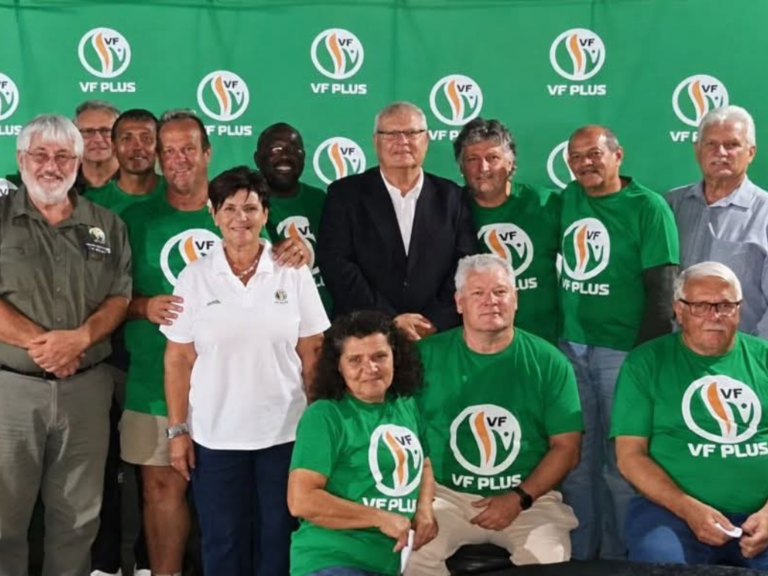
The Freedom Front Plus (VF Plus) recently reported three major leaks where millions of litres of potable water were lost. Some were reported months ago, but have still not been repaired. In other cases, repairs take up to 18 months.
The party insists that the Metro should act within 48 hours of a water leak being reported to expedite repairs.
Although the Freedom Front Plus agrees that residents should reduce their water consumption, the Metro should also do its part by prioritising infrastructure and maintenance.
Poor governance and delayed repairs significantly contribute to the crisis. Failure to take swift and appropriate action could result in the Metro facing yet another water emergency, despite residents’ efforts to save water.
The time for making excuses is over. The ANC/EFF government has to act, or Nelson Mandela Bay’s taps will run dry again.