The third-quarter financial report (January to March 2026), tabled during the latest Ekurhuleni Metro Council meeting, confirms that the Metro’s debt crisis is deepening.
At the same time, residents are increasingly struggling to make ends meet, with higher municipal tariffs becoming unaffordable for many.
The Metro’s collection rate has remained stuck at 85,28%, well below the target of 90%. In many cases this is not because loyal ratepayers do not want to pay, but because they simply cannot pay.
The report shows the following:
• Total outstanding consumer debt of R37,5 billion
• More than R30,2 billion (80%) is older than 90 days
• Households are responsible for 76,56% of the debt
• Long overdue water debt accounts for 37,7% of the debt
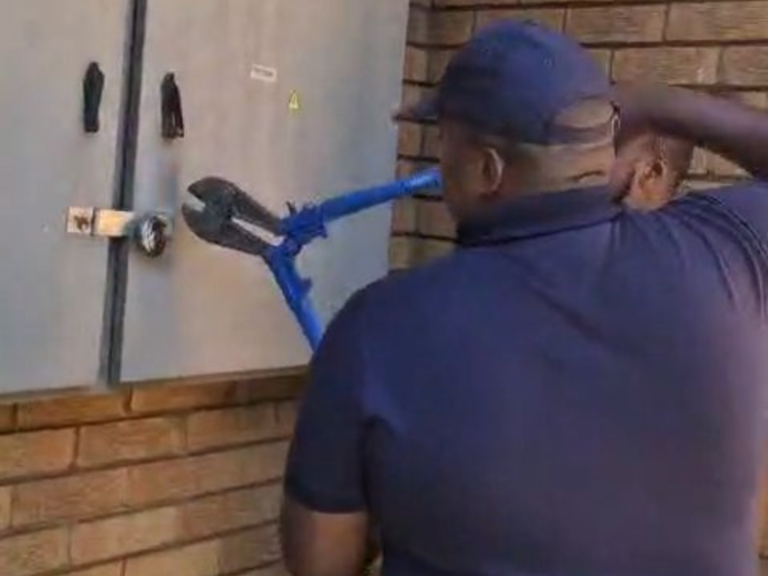
The Metro acknowledges that it is experiencing problems such as limited access to certain areas, illegal connections, incorrect billing due to estimated readings, and difficulties with disconnecting services, especially in Eskom-supplied areas.
Although the Metro reports savings amounting to 32% of the budget through cost-cutting measures, this does not resolve the root problem of financial pressure on residents. Areas such as Benoni (82,66%) and Springs (84,97%) continue to perform poorly.
The situation is unsustainable. The indigent policy should be urgently reviewed, the billing system upgraded to rely less on estimates, and stricter action should be taken against deliberate non-payers.
Ekurhuleni can no longer treat a financial emergency as a mere disciplinary problem. If the Metro does not change its approach, the debt crisis will only deepen and erode residents’ confidence even more.
The Freedom Front Plus (VF Plus) has been warning that the current collection model and rising tariffs are unsustainable for quite some time now.
This report confirms the party’s warnings. Residents deserve realistic, affordable and fair solutions.