Gauteng, South Africa’s economic heartbeat, is busy choking on a dangerous combination of air, water and environmental pollution.
What was once the country’s pride and joy is sitting on a ticking time bomb of ecological decay warranting urgent intervention.
This week, an unbearable sulphur stench hung in the air.
According to the Department of Forestry, Fisheries and the Environment, this is caused by unacceptably high levels of hydrogen sulphide, which affect Ekurhuleni and Johannesburg in particular.
It is likely originating from coal gasification processes in Mpumalanga.
The pollution poses serious health risks and already exceeds the World Health Organization’s recommended thresholds.
At the same time, the pollution of Gauteng’s rivers and groundwater, caused by decayed infrastructure and dysfunctional municipalities, continues unchecked.
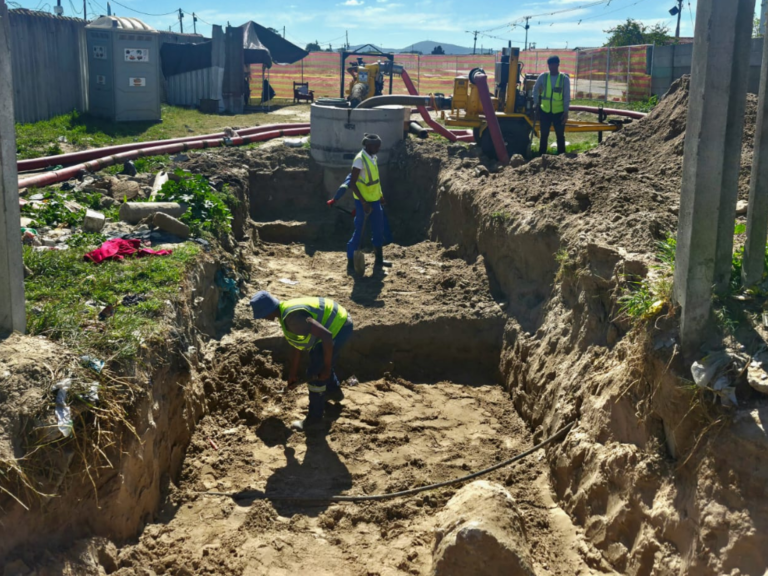
Wastewater treatment plants pump raw or inadequately treated sewage into water systems on a daily basis.
The Rooiwal Waste Water Works in the Tshwane Metro caused a tragedy which claimed the lives of more than 40 people in Hammanskraal and left farmers without potable groundwater.
The Percy Stewart Waste Water Treatment Works is polluting the Crocodile River and Hartbeespoort Dam, while Emfuleni continues to discharge raw sewage into the Vaal River. On top of that, landfill sites are poorly managed, exacerbating the environmental crisis.
These examples are just the tip of the iceberg of a much larger governance failure.
The Freedom Front Plus (VF Plus)-led Portfolio Committee on Agriculture, Rural Development and Environmental Affairs has already called municipalities to account.
As a follow-up step, a summit will be convened in the second quarter of 2026 to tackle the escalating crisis head-on.
All role players – from local authorities and departments to farmers, business people and environmental organisations – will be invited to participate.
Seeing as more than a quarter of South Africans live and work in this province, the issue can no longer be ignored.
Extensive damage has already been caused and the window of opportunity to act is growing smaller. The time for making excuses or half-baked attempts to implement quick fixes is over.
Gauteng’s environment and people must be saved at once.